Things to Check Before Buying a Residential Plot in Bangalore

Featured Image of Things to Check Before Buying a Residential Plot in Bangalore


Things to Check Before Buying a Residential Plot in Bangalore include verifying legal titles, land-use zones, and physical infrastructure to secure a risk-free real estate investment in India's tech capital. According to recent Karnataka registration data, Bangalore's residential plot values are appreciating by 10-12% annually. At the same time, thousands of real estate layouts are currently listed under the Karnataka RERA portal to enforce buyer protection. Navigating these verifications protects your capital from legal disputes and positions your portfolio for maximum capital appreciation.

1. Verifying Layout Approvals: BDA, BMRDA, and Local Bodies


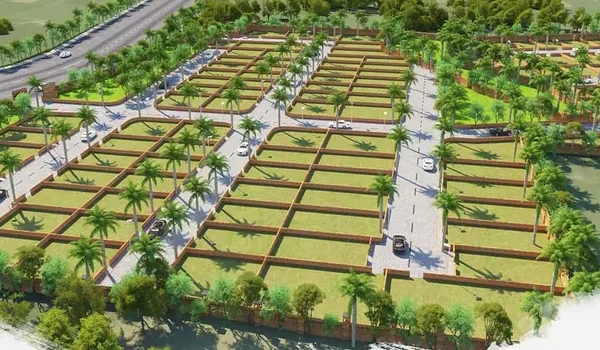
Before you buy a plot in Bangalore, always check if it has BDA or BMRDA approval. It gives you peace of mind because the land follows government rules. Buying an unapproved plot may seem cheaper, but it can cause problems later. Banks may not give you a loan, and getting water or other basic services can be difficult. It is also a good idea to check the city's master plan. This helps you avoid buying land that is meant for roads, parks, factories, or other government projects in the future.

  • BDA (Bangalore Development Authority): Best for sites inside the main city; gives top safety and fast water connections.
  • BMRDA (Bangalore Metropolitan Region Development Authority): Looks after areas just outside the main city, like Hoskote.
  • BIAPPA (Bangalore International Airport Area Planning Authority): Covers the northern side near the airport, where tech hubs grow fast.

2. RERA Registration Status and Compliance


RERA registration protects your money by making sure the builder follows the law and finishes the work on time. In Karnataka, any new plot layout bigger than eight sites must register with the government RERA office.

Expert Check: Take the RERA number from the builder's paper and check it on the official website. This shows you the real maps, who owns the land, and the final date to hand over the plots.

3. Title Deed, Mother Deed, and Encumbrance Certificate (EC)


A clean Title Deed and Mother Deed prove who owns the land, while an EC shows the plot has no hidden bank loans. The Mother Deed tracks who sold the land to whom for the last 30 years. Banks must see this paper before they give you any money to build your home.

  • Encumbrance Certificate (Form 15): Ask for a 30-year Form 15 EC from the sub-registrar's office to see past loans or court cases.
  • Form 16 EC: If the land has no past loans or money issues at all, you get a clean paper called Form 16.

4. Understanding Khata Certificates: A-Khata vs B-Khata


An A-Khata paper proves your plot is legal and pays city taxes on time. Holding this paper gives you the full right to get building permits from the local city group (BBMP). While a Khata is just a tax book entry, it divides all Bangalore lands into two very clear types.

Property Attribute A-Khata Plots B-Khata Properties
Legal Standing Fully legal, approved site Just a tax list for unapproved land
Building Permission Given easily by the city Not allowed until you convert it
Bank Loan Eligibility Main banks give loans easily Only small private firms give loans
Civic Amenities Gets city water and main drains You must buy water from tankers

5. Land Conversion Certificate and DC Conversion


A DC Conversion paper shows that the top officer (Deputy Commissioner) changed the land from farming use to home use. Building a house on farm land without this paper is illegal in Karnataka and leads to fines or losing your home. Always ask the builder for the conversion certificate and the tax slips to prove they paid all fees.

6. Physical Verification, Soil Testing, and Ground Level


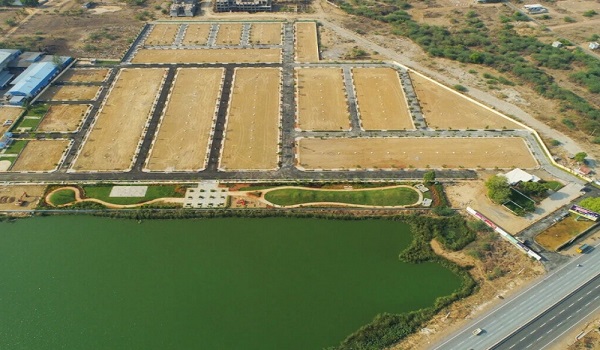
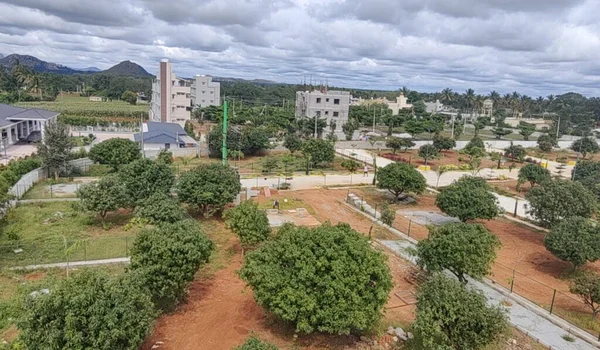
Going to the plot in person helps you see if the real land borders match the government survey maps. Plots that sit too low get flooded during heavy rains, which makes building a house very costly later on.

  • Boundary Checking: Look for the real boundary stones and match them with the layout map from the survey department.
  • Soil Evaluation: Soft mud or loose soil means you must dig deeper and spend more money on stones and cement for the base.

7. Civic Infrastructure and Utility Accessibility


Basic facilities like water supply, electricity, and proper drainage play a big role in a plot's value. They also make it easier to build your home and move in without delays. In many new areas on the outskirts of Bangalore, government water connections are still not available. Because of this, residents often depend on expensive water tankers. Before buying a plot, check if the area has proper drainage for rainwater, working streetlights, and wide, well-laid roads. These small checks can save you from bigger problems later.

8. Proximity to Tech Parks and Future Connectivity Infrastructure


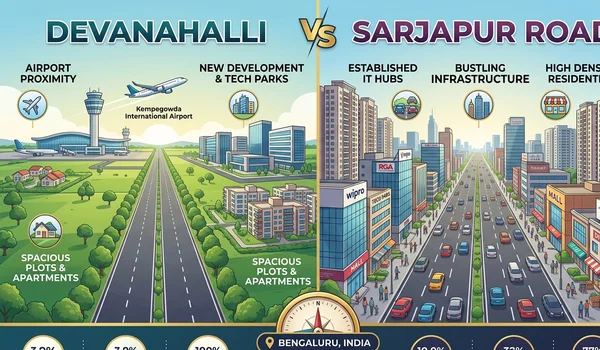
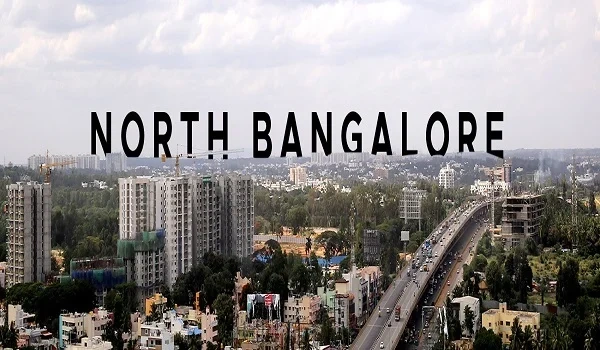
A piece of land in a good spot gains value way quicker. Places right next to big office parks, Metro stations, and main roads are always hot because nobody wants a long drive to work. Areas like Outer Ring Road, Sarjapur, and Whitefield are still the main choices for folks looking to buy or invest. Before you pay any money, always check the city planning maps to see if new roads or big projects are coming up close by, since those things can easily double your land's worth later on.

9. Evaluating Market Trends and Pre-Launch Opportunities


Checking the local price per square foot stops you from paying too much money and helps you find good deals. Buying a plot during the pre-launch phase helps you get the lowest price before the layout develops.

For instance, new pre-launch choices like Bulwark The Woodland Forest offer very low early prices in fast-growing areas. These are great for smart buyers who want to watch their property value grow before the general public starts buying.

10. Betterment Charges and Property Tax History


Betterment fee receipts prove that the builder paid the local government for making roads, water lines, and streetlights. Always ask for the newest property tax receipts to make sure the past owner does not owe any money. If there are old tax debts left over, the new buyer has to pay them before getting building plans passed.

Bulwark Group Prelaunch Project is Bulwark The Woodland Forest.

FAQs


1. What happens if I buy a B-Khata plot in Bangalore?

You can register a B-Khata plot and pay taxes, but you cannot get official building permission or a home loan from big government banks.

2. How can I check if a plot is safe from raja-kaluves (large rain drains)?

You should check the city map data online to make sure your plot does not sit on an old rain canal or close to a protected lake area.

3. Is a Gram Panchayat paper enough to build a home in Bangalore?

No, Gram Panchayat papers are not enough for new layouts; you need an extra approval stamp from BDA or BMRDA to be completely safe.

4. What is the minimum road width inside a new layout?

According to city planning rules, the internal roads inside a new plot layout must be at least 30 feet wide so cars and trucks can pass easily.

Enquiry
Enquire Now