Residential Plots vs Apartments: Which Is Better for Long-Term Investment?

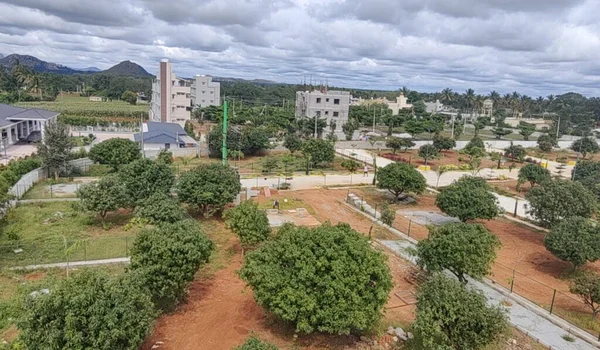
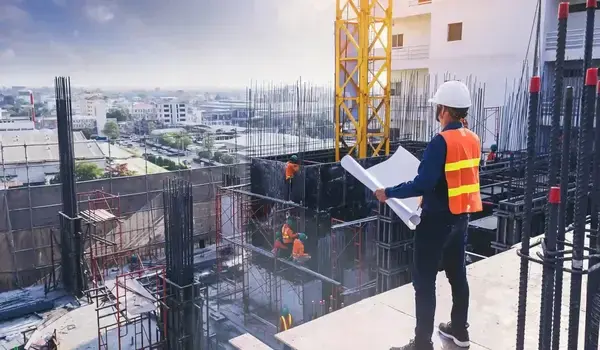
Featured Image of Residential Plots vs Apartments: Which Is Better for Long-Term Investment?


Residential plots vs apartments remain the ultimate choice for property buyers, but new 2026 data shows that land gives 30% higher long-term returns while flats lose 2% to 3% of their building value each year. Land is a limited resource that gets much more valuable as towns grow, while a concrete flat starts to wear out the day it is built.

Flats do bring in regular rent money every month, but your real profits get cut fast by high upkeep fees, community fund costs, and the aging of the building. If your goal is to build true wealth over the next 5 to 10 years, buying a safe piece of land in a fast-growing area is a much smarter financial move than buying a flat in a tower.


1. Capital Appreciation Potential


Land values grow much faster because land lasts forever. On the other hand, a physical building naturally gets old and loses its worth over time. In fast-growing areas, raw land prices often double in just 4 to 6 years. This usually happens when new roads, metro lines, or nearby tech parks open up.

Apartments do not see this kind of growth because too many flats are built in the same neighborhood, which limits price increases. Once an apartment building is over 15 years old, the actual structure starts to lose value. At that point, the owner only owns a tiny fraction of the land underneath the building. On the other hand, open land never gets old or wears out, so you keep all the profits when you sell it.

2. Initial Investment Outlay and Capital Entry Barriers


Buying land in a gated community is much cheaper upfront than buying a plot in a gated neighborhood costs much less money upfront than buying a luxury flat. This lower price makes it easier for you to invest without taking on too much financial risk. In fact, basic land plots in growing areas outside the main city usually cost 40% less than a standard two or three-bedroom apartment in the same location.

  • Smaller Bank Loans: A lower purchase price means you take a smaller loan, which saves you from paying massive bank interest for decades.
  • Cheaper Registration Fees: You only pay stamp duty on the value of the land, not on expensive built-up areas or common spaces.
  • Pay at Your Own Pace: You can buy the land now to secure your asset and wait to build your house later when you save up enough money.

3. Regular Income vs Delayed Multipliers


Flats give you cash right away through monthly rent to help pay off your loans, while plots give you zero monthly cash but pay out massive lump-sum wealth when you finally sell them. This big difference means you must choose between quick monthly cash or a much bigger payday later on.

Investment Metric Gated Plotted Developments Multistory Apartment Units
Immediate Cash Flow Zero (Pure Capital Growth) 2.5% – 4% Annual Rental Yield
Asset Depreciation 0% (Land Appreciates Infinitely) 2% – 3% Annual Structural Wear
Holding Expenses Minimal Annual Property Tax Only Monthly Maintenance + Repair Sinking Funds
Exit Strategy Timeline 5 – 10 Years (High Value Growth) 3 – 5 Years (High Liquidity Pool)

4. Operational Costs and Recurring Maintenance


Plotted developments have almost no monthly costs, which keeps your long-term profits high by eliminating the big maintenance fees that apartment societies force you to pay. A land owner never has to pay for lift repairs, security teams, common area power bills, or swimming pool cleaning.

Apartment owners must pay fixed monthly fees ranging from ₹3 to ₹8 per square foot, even if the flat is empty. Over ten years, these constant fees, plus extra costs for building repairs and painting, can eat up 12% of your total returns. Owning land avoids all these cash drains completely since you only have to pay a cheap annual property tax to the local government.

5. Risk Mitigation and Regulatory Compliance


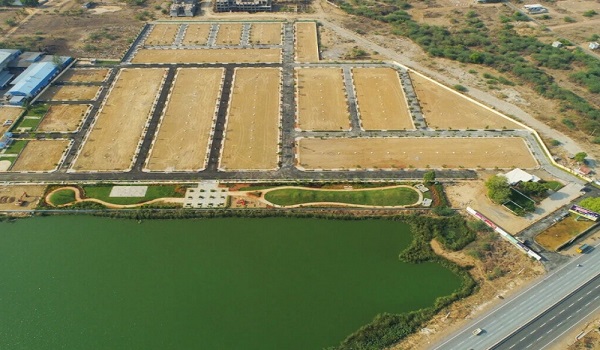
Buying a plot in an officially approved gated community completely removes the old risks of land buying, like illegal scams or land grabbing. Modern property laws ensure that these land projects go through the exact same strict government checks as big apartment buildings.

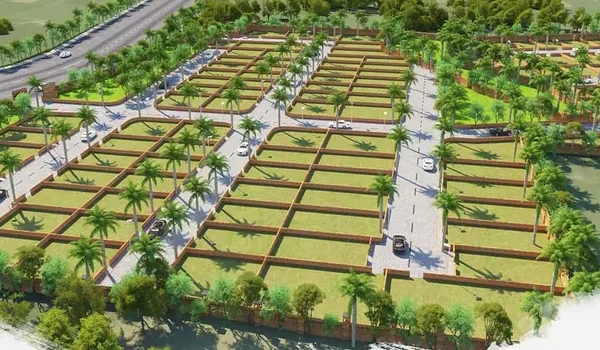
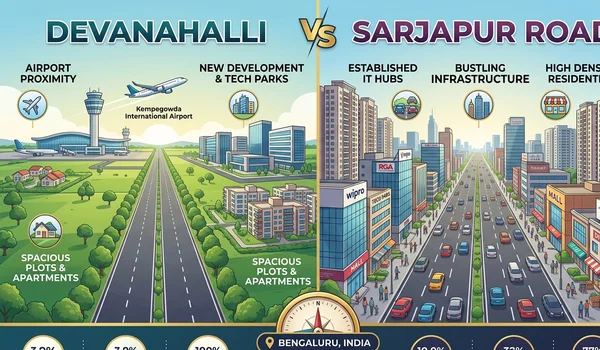
For example, top growth areas are seeing huge demand for secure, eco-friendly land projects. A perfect option is Bulwark The Woodland Forest, a premium 53-acre new land project located at Vijayapura, Devanahalli, in the fast-growing North Bangalore airport area. This planned project sets aside 55% of its space for green parks and features a massive 80,000 sq. ft. community clubhouse, showing that modern plots offer the same luxury features as flats while giving you pure land growth.

6. Freedom of Customization and Asset Flexibility


Plots give you total freedom to design, build, or change your property whenever you want based on your budget or style. A landowner can choose to build a big independent house, design a modern smart home, or just hold the raw land as it is to sell it for a profit later.

Apartment living traps you in a fixed layout made by the builder that you can never truly change. You cannot move walls, and the housing society rules ban you from altering the outside of your flat. Also, plot owners have full control over their timing; they never have to worry about a builder going broke, project delays, or legal fights with other flat owners.

Bulwark Group Prelaunch Project is Bulwark The Woodland Forest.

FAQs


1. Which asset offers better tax benefits: a residential plot or an apartment?

Apartments give you immediate tax cuts on your loan principal and interest payments right away. Plot loans only give you tax benefits after you actually start building a house on that land.

2. How does liquidity compare between plots and apartments during a market exit?

Apartments usually sell faster in busy city areas because many families want a flat that is ready to move into immediately. Plots take a bit longer to sell, but they attract buyers who pay huge cash sums for clean land.

3. Can I get a bank loan easily for purchasing an open residential plot?

Yes, all major public and private banks offer loans for land in official, RERA-approved layouts. However, banks usually only cover 60% to 70% of the plot's cost, while they will fund up to 90% for a flat.

4. Does building age affect the resale value of an apartment significantly?

Yes, old buildings lose value because the pipes, lifts, and structures wear out. After 15 to 20 years, a flat's price stops growing, but an open plot keeps gaining value as land in the city gets scarce.

Enquiry
Enquire Now