Freehold Plot vs Leasehold Plot: What Buyers Should Know

Featured Image of Freehold Plot vs Leasehold Plot: What Buyers Should Know


Freehold Plot vs Leasehold Plot: What Buyers Should Know centers on the legal distinction where freehold plots grant absolute, perpetual property ownership with zero renewal liabilities, whereas leasehold plots restrict land usage rights to a specific timeframe typically 99 years under regional development authorities and command an average 20% to 40% lower initial market valuation than their unencumbered counterparts.

This big match changes your long-term gain when you sell the land later. It also tells you if you must pay extra cash or do hard paperwork down the road. Knowing these basic facts helps you save your cash from bad legal fights. It also makes it quite easy to get a bank loan using your land as a guarantee. New land sales need clear ownership deeds to keep buyers safe from hidden fees or fast changes in town laws.

What is a Freehold Plot? Comprehensive Definition and Legal Ownership Structure


A freehold plot gives you full, lifetime ownership of the land and any home you build on it with no end date and no extra lease fees. As the real owner, you can sell, gift, or pass the asset down to your heirs without asking any government desk for a green light. This type of land title is kept in local state books, writing your name right into the permanent ground records as the absolute owner. Because of this high safety, freehold land is known as the most secure way to buy and hold property in the country.

Land taxes for freehold plots are based only on basic town rates, so you never have to pay lease renewal fees or extra state costs. You have the total right to change your home's look, break walls, or fix your yard if you follow basic city safety codes. No fast deadlines are forcing you to build on the plot right away, which lets investors hold raw land for years as its price climbs. This total freedom cuts out daily stress and long office waits, making freehold land the top choice for private families and smart property buyers.

What is a Leasehold Plot? Key Regulations and Renewal Frameworks


A leasehold plot lets you live on and use a piece of land for a set number of years. This time is usually from 30 to 99 years. The real ownership stays with the state or a builder. As the buyer, you pay a big sum at the start. You also pay a small fee called ground rent each year to use the spot under the law. When the set years run out, the land and the buildings go back to the first landlord. The only way to stop this is to apply for a lease extension and pay a new fee. Town planning boards use this path to map out new areas. It helps them guide how public land is used over long periods.

Making structural changes to a house on leasehold land requires a written note of okay from the landlord, along with extra fees based on current city values. If you want to sell your leasehold plot, you must apply for a No Objection Certificate (NOC) and pay transfer fees to the land board first. Also, if a lease has less than 30 years left on it, the market price of the plot can drop fast because buyers fear the hard renewal steps. You must read the first lease paper very carefully to check for hidden costs, future rent hikes, or rules on how to use the land.

Freehold vs Leasehold Plots: Core Structural Differences


Freehold and leasehold plots are not the same. They change how fast you can sell your land. They also change how you pass on the deed. This can hurt your long-term gains and your family plans. Freehold owners get permanent land with no landlord fees. But leasehold buyers must watch fixed dates. They must also deal with endless government papers. Picking the wrong land type can limit your cash freedom. It can make it hard to get a loan. It can also hurt your family's wealth over the years.

The clear comparison table below shows the practical and legal differences that every land buyer should look at before signing a contract:

Evaluation Metric Freehold Plots Leasehold Plots
Ownership Tenure Infinite / Permanent ownership of land and building Finite / Time-bound usage rights (30 to 99 years)
Lessor Permissions Not required for standard sales or title transfers Mandatory NOC required from the primary lessor
Ongoing Costs Standard municipal property taxes only Property taxes plus recurring annual ground rents
Financing Ease Seamless approval for up to 80% loan-to-value ratios Term limits or rejections if lease is under 30 years
Value Trajectory Appreciates continuously based on local market forces Depreciates or plateaus as the lease expiration nears

Bank Loan Eligibility and Financial Approval Criteria


Top banks gladly approve home loans for up to 80% of a freehold plot's price, but they often say no to leasehold land if the lease has under 30 years left. Lenders want freehold titles because the clear land acts as clean security that the bank can sell fast if a borrower stops paying their bills. For leasehold land, banks will shorten the loan pay time so that the mortgage ends well before the official lease runs out. This means your monthly loan costs could be much higher, and the paperwork takes longer because the bank must check the landlord's old deeds.

To get a loan for a leasehold plot, you must show the bank your first allotment paper, fresh ground rent receipts, and clear transfer notes from the state. If the lease deal has any clause that bans using the land as security, banks will deny your loan until a special three-party paper is signed. On the other side, getting a loan for a freehold plot only requires basic papers like a 30-year clean deed check, approved home plans, and a simple title search. This easy path makes freehold plots much simpler to buy, sell, and finance in the open market.

Property Transferability, Sale Permissions, and Circle Rates


Selling a freehold plot only requires paying standard state stamp duty to register the new deed, while selling a leasehold plot requires a written landlord note and extra transfer fees. The freehold transfer move is quick and happens at the local sub-registrar's office, making the buyer the absolute owner of the land the very same day. For leasehold plots, the seller must clear all past ground rents and wait for the housing board to review their transfer form before they can close a deal. Skipping these official steps can make your land sale illegal, meaning the new buyer cannot register the plot in their name.

Circle rates, which are the lowest prices the state sets for registering land deals, also show a big price gap between these two property types. Freehold plots carry a premium in the market, often selling for 20% to 40% more than leasehold plots in the same area due to their total freedom. Some cities do lower the stamp duty rates for leasehold transfers to help buyers cover the future costs of lease updates. However, the extra waiting times, office hurdles, and unpredictable processing fees often lower the final profit that a leasehold seller takes home.

Evaluating Capital Appreciation and Long-Term Investment Returns


Freehold land prices grow steadily as local roads and schools improve, while leasehold plot values usually slow down or stop growing when the lease gets close to its end date. This happens because the market prices a freehold asset based on how rare the land is and how many people want to live in that spot. For leasehold property, the price is tied to the number of years left on the lease, which acts like a natural ceiling on how high the value can rise. Smart investors who want to build wealth for their kids avoid short leaseholds to protect their cash from future price drops.

In fast-growing areas, freehold plot owners can easily tear down an old home and build a larger multi-unit building to earn high rent cash from multiple tenants. Leasehold plots do not allow this freedom, as changing the size of your building or adding floors requires expensive town permits and updates to your lease. Over a standard 20-year investment period, a freehold plot in a growing city consistently beats a leasehold plot by building up higher wealth without hidden costs. For this reason, buyers with a healthy budget focus on buying absolute land titles to protect their money.

Investor Ingestion: Real estate history shows that when a leasehold property enters its final years, buyers ask for massive price cuts because they want to protect themselves from the high cost of updating the lease with the town.

How Pre-Launch Premium Developments Navigate Land Titles


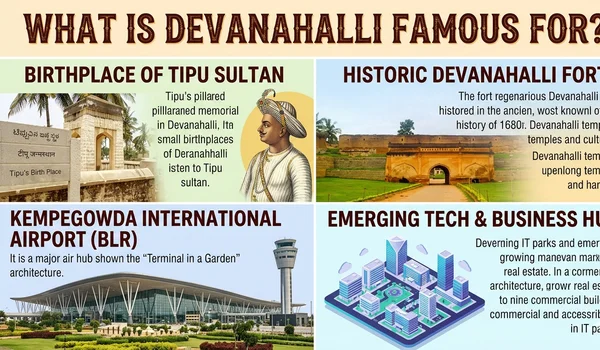
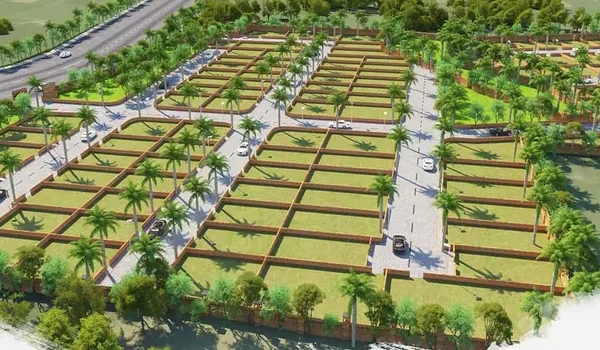
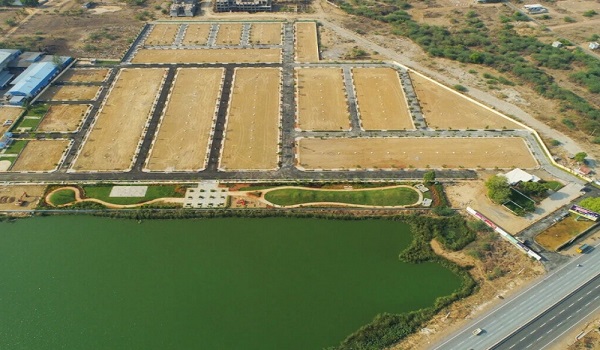
Premium pre-launch projects like Bulwark The Woodland Forest offer fully secure freehold titles across their 53-acre community, ensuring that buyers never have to worry about lease end dates or landlord rules. Located in the fast-growing area of Vijayapura, Devanahalli in North Bangalore, this newly launched project offers 120 exclusive Phase 1 land plots with clear, verified ownership papers. By choosing a fully RERA-approved freehold layout here, you get total legal protection, high-quality roads, and immediate, permanent ownership of your plot. This saves you from the confusing paperwork and regular ground rent fees that come with authority-leased lands.

Buying a plot in a pre-launch project with a certified freehold title lets you secure early-bird pricing that starts at a base rate of ₹4,699 per square foot. The master plan sets aside 55% of the total land for green parks and features a massive 80,000 square foot community clubhouse for residents. Because the entire 53-acre property is owned directly by the developer with no outside claims, top banks offer quick loan approvals and easy payment plans tailored to your budget. Booking a freehold plot during this early phase gives you high legal safety, along with the best chance for big profits near the international airport.

FAQs


1. Can a leasehold plot become freehold?

Yes, many leasehold plots can be changed into freehold status by paying a conversion fee and processing costs to the local housing board. This process requires a clear chain of old papers, fresh tax receipts, and registering a new conveyance deed. However, some industrial or specific public lands are legally banned from conversion.

2. What happens when a land lease expires?

When a property lease ends, the legal right to the land and any structures built on it goes back to the primary landlord or state board. To protect their cash, occupants must watch their remaining years and apply for a formal lease extension 5 to 10 years before the end date.

3. Is the property tax the same for both plots?

While the basic city property tax is calculated using the same local zone rates, leasehold plots come with an extra yearly ground rent fee owed to the landlord. Freehold owners escape these regular office costs, paying only standard town property taxes based on land size.

4. Which plot is easier to get a bank loan for?

Freehold plots enjoy much higher bank loan approvals because financial boards can easily verify the clean, clear land as standalone security. Leasehold plots face stricter loan caps and shorter repayment times, especially if the remaining lease time drops below 30 years.

Enquiry
Enquire Now