Vaastu for Plots: How to Choose a Vaastu-Compliant Plot 2026
Vaastu principles compiled from traditional practice; treat as buyer preference, not a legal or engineering requirement. July 2026.

For many Indian buyers, Vaastu is part of choosing a plot — a traditional framework that reads a site by its shape, direction, road position and slope. Whether or not you follow it closely, it helps to know the principles, because they shape resale demand and are often the first question family members ask. This guide explains what makes a plot Vaastu-compliant, walks through facing, shape, roads and slope, and gives a practical checklist — while being clear that Vaastu is a preference, not a substitute for the legal checks every buyer must still run on a plot in Vijayapura or anywhere else.
A useful way to hold it: Vaastu guides how a plot feels and how a home can be planned on it, while title, approvals and Khata decide whether you can legally own and build. Both matter. Treat the good-facing plot with unclear papers as a no, and the clean plot on a workable facing as a yes an architect can design around.
Vaastu Plot Quick Reference 2026
| Aspect | Generally favoured | Traditionally avoided |
| Facing | North, East, North-East | — (others workable with planning) |
| Shape | Square or rectangle, right angles | Triangular, irregular, cut north-east |
| Corner | Extended north-east | Cut / missing north-east |
| Road position | Roads on north / east | T-junction (shoolam) plot |
| Slope | Gentle fall toward north / east | High north-east, low south-west |
| Open space | More open in north & east | Heavy build-up in north-east |
Traditional Vaastu guidance, as of July 2026 — interpretations vary between practitioners; consult a Vaastu consultant for a specific site and never let it override legal due diligence.
Plot Facing — The First Question
Facing is the direction the plot's main road side points. In Vaastu, north, east and north-east facings are generally considered favourable, linked to morning light and open energy. North-facing plots are often associated with prosperity and east-facing with health and well-being. That said, south and west facings are not "bad" — a skilled architect places the entrance, rooms and open space to work with the facing, so direction is one input, not a verdict.
Shape & the North-East Corner
Vaastu favours regular square and rectangular plots with clean right-angled corners, because they are balanced and easy to plan symmetrically. Irregular, triangular or heavily angled plots are traditionally avoided. The north-east corner — the Ishanya — carries special weight: an extended north-east is seen as auspicious, while a cut or missing north-east is the shape most Vaastu followers try to avoid. When you inspect the plot, check the corner angles against the sanctioned sketch, which ties back to the survey step in our plot due-diligence checklist.
Road Position & Corner Plots
Where the road meets the plot matters in Vaastu. Roads on the north or east are generally considered favourable, and a corner plot with roads on two favourable sides is prized for light and access. A plot directly facing the mouth of a T-junction, called a shoolam or veedhi shoolam, is traditionally viewed with caution. As with facing, these are preferences a good site plan can accommodate — and a corner plot's extra light and frontage often carry practical value regardless of Vaastu.
Slope, Water & Open Space
Vaastu prefers a plot that sits higher toward the south-west and slopes gently down toward the north or east, with water sources and more open space in the north-east. Usefully, this often lines up with sound site engineering: a controlled fall toward the north or east aids natural drainage, and keeping the north-east lighter improves ventilation and light. Where tradition and practical planning agree, the choice is easy.
Vaastu on an Approved Layout — Bulwark The Woodland Forest
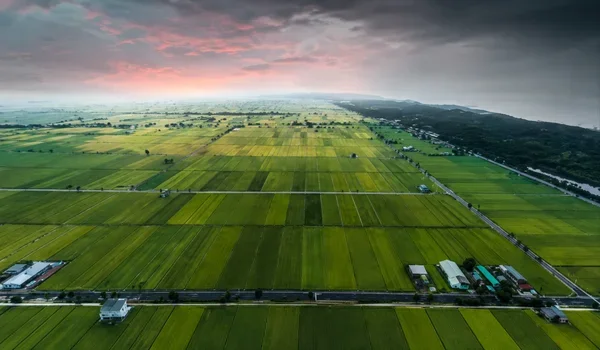
Bulwark The Woodland Forest is a 53-acre plotted township by Bulwark Group in Vijayapura, Devanahalli. A planned layout is where Vaastu is easiest to apply, because plots come in regular dimensions on a sanctioned grid, and you can pick a facing and corner that suit your preference from the plan.
- Regular dimensions: square and rectangular plots such as 30x40 and 40x60 from the sanctioned grid
- Facing choice: select a north, east or north-east facing plot where available in the release
- Corner options: corner plots with two-side road access for those who prefer them
- Planned roads & drainage: layout-level slope and road grid already engineered
Review the master plan and plot plans to compare facings, check the current price list, then book a site visit to feel the orientation on the ground.
Practical Vaastu Checklist for Buyers
- 1. Confirm the facing: note the plot's road-side direction on the sanctioned plan.
- 2. Check the shape: regular corners, no cut north-east.
- 3. Read the roads: north/east roads and corner access are a plus; note any T-junction.
- 4. Look at the slope: gentle fall toward north or east aids Vaastu and drainage.
- 5. Never skip the papers: title, RERA, DC conversion and Khata come first — Vaastu second.
Frequently Asked Questions
1. What is a Vaastu-compliant plot?
A Vaastu-compliant plot is one whose shape, direction, road position and slope follow the principles of Vaastu Shastra - typically a regular square or rectangle, a favourable facing, and a gentle slope toward the north or east. Vaastu is a traditional practice many Indian buyers follow by preference; it is not a legal or engineering requirement.
2. Which plot direction is best as per Vaastu?
In Vaastu, north, east and north-east facing plots are generally considered favourable, as they are associated with morning light and positive energy. That said, a well-planned home can be designed to work on most facings, so direction is one factor among shape, road position and slope, not the only one.
3. Is plot shape important in Vaastu?
Yes. Vaastu favours regular square or rectangular plots with right-angled corners, as they are easy to plan and are considered balanced. Irregular, triangular or plots with a cut north-east corner are traditionally avoided, though an extended north-east corner is seen as auspicious.
4. Does the road position matter in plot Vaastu?
In Vaastu, roads on the north or east of a plot are generally considered favourable, and a plot facing a T-junction, called a shoolam, is traditionally viewed with caution. Corner plots with roads on two favourable sides are prized. These are preferences, and a good architect can plan around most road positions.
5. Should the plot slope in a particular direction?
Vaastu prefers a plot that slopes gently down toward the north or the east, and higher ground toward the south-west. Beyond Vaastu, a controlled slope also helps natural drainage, so this principle often aligns with practical site planning.
6. Does a Vaastu-compliant plot cost more?
Plots on favoured facings or corners can command a premium in some layouts because of demand, but this varies by project. Vaastu should sit alongside the legal and approval checks - a favourable facing does not replace verifying title, RERA and Khata before you buy.
Conclusion
Vaastu gives plot buyers a simple lens — shape, facing, road and slope — that also happens to overlap with good light, ventilation and drainage. Follow it as far as your family prefers, favour a regular plot with a workable facing, and remember that a capable architect can plan a fine home on most sites. What Vaastu can never replace is the legal read: title, RERA, DC conversion and Khata decide whether you can own and build at all. On a planned layout the regular grid makes Vaastu choices easy, so pick your facing from the plan and book a site visit to stand on the plot before you decide.
Bulwark The Woodland Forest Blog