Plot Buying Due-Diligence Checklist in Bangalore 2026
Approval & title steps verified against the K-RERA portal and the Karnataka Registration Department, July 2026.

Buying a plot in Bangalore is safe when you check the paperwork before you pay, and risky when you skip it. Due diligence is that check: you confirm the seller's title is clear, the approvals are real, the plot is free of loans and disputes, and the boundaries on paper match the ground. This checklist walks through every step in order — title, encumbrance, RERA, DC conversion, layout sanction, Khata, tax and survey — so you can buy with confidence, whether it is a resale plot or an approved project like one in Vijayapura, Devanahalli.
The good news is that most of these checks are now online or on public record. An approved, K-RERA registered layout shortens the list because the promoter has already filed the approvals and the plot schedule. A stray resale plot needs the full read. Either way, run the checklist top to bottom and get a written legal opinion before registration.
Plot Due-Diligence Checklist 2026 — At a Glance
| Check | What to verify | Where |
| Title chain | Mother deed + sale/partition deeds, 30-year history | Seller / advocate |
| Encumbrance (EC) | No pending mortgage, lien or dues | Kaveri Online (Form 15/16) |
| RERA | Layout registered, plot schedule on record | K-RERA portal |
| DC conversion | Land converted to non-agricultural / residential | DC / Tahsildar order |
| Layout sanction | Approved plan (BMRDA / BIAAPA / DTCP) | Planning authority |
| Khata | A-Khata or valid e-Khata in seller's name | BBMP / Panchayat |
| Tax paid | Latest property tax receipt, no arrears | Local body |
| Survey & boundaries | Dimensions match the sketch; no encroachment | Site + survey sketch |
Checklist indicative, as of July 2026 — the exact papers vary by plot and authority; confirm the current requirement with your advocate and the sub-registrar.
1. Verify the Title Chain
Title is the heart of due diligence. Trace ownership backward through the mother deed and every subsequent sale, gift or partition deed for at least 30 years, and confirm the chain is unbroken with no unexplained gaps. Each transfer should be a registered document, and the person selling to you should appear as the current, sole owner — or every co-owner should sign. A written title opinion from a property advocate is the standard way to close this step.
2. Pull a Fresh Encumbrance Certificate
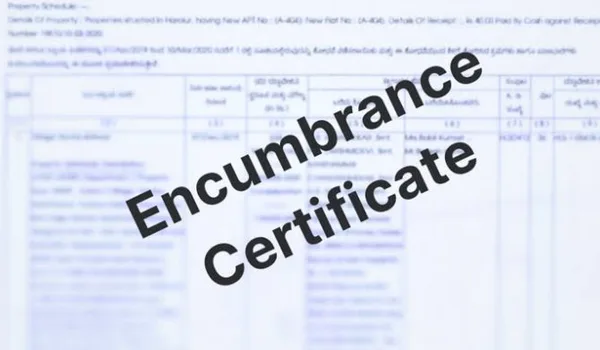
An encumbrance certificate (EC) lists the registered transactions on a plot — sales, mortgages and releases — over a period, so it tells you whether the land carries a live loan or lien. Pull a fresh EC for the same period as the title chain and cross-check that every deed in the chain appears. A clean EC that matches the title is a strong signal; a mortgage that has not been released is a stop sign. Our encumbrance certificate guide shows how to pull one online.
3. Confirm RERA, DC Conversion & Layout Sanction
Approvals decide whether a plot can legally be built on and financed. Confirm the layout is registered on Karnataka RERA and that the plot appears in the filed schedule. Check the DC conversion order that turned the parent land from agricultural to residential use, and the sanctioned layout plan from the planning authority — BMRDA, BIAAPA or DTCP depending on the location. Missing conversion or an unsanctioned layout is the most common defect in North Bangalore plots. The K-RERA verification guide covers the portal check in detail.
4. Check the Khata & Tax Record
The Khata is the municipal or panchayat account that ties the plot to property tax. An A-Khata marks the property as legal and compliant; a B-Khata flags an irregular one that is harder to finance. Confirm the Khata — ideally an A-Khata or a valid e-Khata — stands in the seller's name, and that the latest property tax is paid with no arrears. Read the e-Khata and Khata transfer guide for how the record moves to your name after purchase.
5. Inspect the Survey & Boundaries
Paper and ground must agree. Match the plot dimensions in the sale sketch against the survey record and a physical measurement on site, and look for encroachment, an access road that is narrower than sanctioned, or a plot that overlaps a neighbour. Walk the boundary, note the corner stones, and confirm the approach road and drainage shown in the layout actually exist. A quick site visit catches problems that no document reveals.
Example — Due Diligence on a Plot at Bulwark The Woodland Forest

Bulwark The Woodland Forest is a 53-acre plotted township by Bulwark Group in Vijayapura, Devanahalli, about 18–21 km from Kempegowda International Airport. It is registered under Karnataka RERA as PRM/KA/RERA/1251/446/PR/090626/008712, so the approvals, the plot schedule and the promoter details are already on public record — which turns most of this checklist into a confirmation rather than a hunt.
- Title & EC: the developer holds the title chain and can share the layout's encumbrance position
- RERA & approvals: registration number verifiable on the K-RERA portal; DC conversion and layout sanction on file
- Khata & tax: plots move to buyer Khata after registration, in an approved layout
- Boundaries: plot dimensions fixed in the sanctioned master plan and plot plans
Confirm the current plot value on the price list, then book a site visit to walk the boundary before you register.
Before You Pay the Advance
- 1. Read the title: mother deed + 30-year chain, verified by an advocate.
- 2. Match the EC: fresh encumbrance certificate with no live mortgage.
- 3. Verify approvals: RERA, DC conversion and sanctioned layout.
- 4. Check Khata & tax: A-Khata / e-Khata in the seller's name, tax paid.
- 5. Walk the plot: boundaries, access road and drainage on the ground.
Frequently Asked Questions
1. What is plot due diligence?
Plot due diligence is the set of legal and physical checks you run on a plot before buying - verifying the title chain, the encumbrance certificate, RERA registration, DC conversion, the approved layout, the Khata, tax receipts and the survey boundaries - so you know the seller can legally transfer clear ownership.
2. Which documents should I verify before buying a plot in Bangalore?
Verify the sale deed and the mother deed with a 30-year title chain, the latest encumbrance certificate, the DC conversion order, the sanctioned layout plan and RERA registration, the A-Khata or e-Khata, and the latest property tax paid receipt. For an approved project the developer supplies most of these.
3. How do I check if a plot has clear title?
Trace the ownership backward through the mother deed and successive sale, gift or partition deeds for at least 30 years, cross-check it against a fresh encumbrance certificate for the same period, and have an advocate give a written title opinion. Clear title means an unbroken chain with no unexplained gaps or pending disputes.
4. Is a K-RERA registered plot safer to buy?
Yes. A plot in a Karnataka RERA registered layout has its approvals, plot schedule and promoter details on public record, which makes verification faster and reduces the risk of an unapproved or misdescribed plot. You can confirm the registration number on the K-RERA portal before you pay any advance.
5. What is the difference between A-Khata and B-Khata for due diligence?
An A-Khata marks a property as legal and fully compliant with approvals and tax, so it can be transferred and financed cleanly. A B-Khata flags an irregular or pending property that is harder to finance and to build on. For due diligence, an A-Khata or a valid e-Khata is the safer position.
6. Should I hire a lawyer for plot due diligence?
For a significant plot purchase, yes. A property advocate reads the title chain, checks the encumbrance certificate and approvals, and issues a written legal opinion. On an approved RERA project the developer's papers are already on record, but an independent legal read still protects you before registration.
Conclusion
Due diligence on a plot is not one big test but a short list run in order — title, encumbrance, approvals, Khata, tax and boundaries. Each step closes a specific risk, and together they tell you whether the seller can hand you clear, buildable, financeable land. On the North Bangalore airport corridor, a K-RERA registered layout with DC conversion and A-Khata clears most of the list on paper, leaving you to confirm rather than investigate. Run the checklist, get a written legal opinion, and book a site visit before you register.
Bulwark The Woodland Forest Blog